
India’s textile industry is much more than a manufacturing sector. It is a vast ecosystem connecting farmers, textile traders, weavers, designers, wholesalers, retailers, entrepreneurs, technology companies and global buyers. As India works to strengthen its position in the global textile market, the role of experienced business leaders is becoming increasingly important.
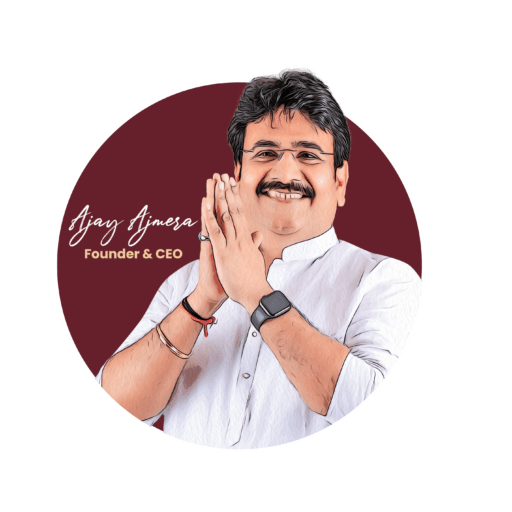
Ajay Ajmera is associated with the growth of Ajmera Fashion Limited and a business approach focused on creating opportunities across fashion, textiles, wholesale trade and entrepreneurship. His journey reflects an important change taking place in India’s textile ecosystem: the industry is moving beyond traditional trading and increasingly embracing technology, organized business models, digital marketing and new-generation entrepreneurship.
For more information about Ajay Ajmera and his professional journey, visit Ajay Ajmera.
What Is India’s Textile Ecosystem?
India’s textile ecosystem is the complete value chain that connects raw materials, yarn, fabric, processing, fashion products, wholesale distribution, retail, exports and consumers. It includes both traditional textile businesses and modern digital businesses that are changing how products are sourced and sold.
The ecosystem includes cotton and other fibres at the beginning of the chain, followed by spinning, weaving, knitting, dyeing, printing, finishing and garment production. At the commercial end, wholesalers, retailers, fashion brands, e-commerce businesses and exporters connect these products with customers in India and international markets.
This diversity is one of India’s biggest strengths. The country has established capabilities across fibre, yarn, fabric, apparel and home textiles, creating opportunities for businesses of different sizes.
Why Is India’s Textile Industry Important?
India’s textile industry is important because it combines employment, domestic consumption, manufacturing capability, entrepreneurship and international trade in a single large ecosystem.
Recent industry data shows the scale of this opportunity. India’s textile and apparel sector supports more than 45 million people and remains one of the country’s major employment-generating industries. In FY26, India’s textile and apparel exports including handicrafts were reported at approximately US$35.52 billion.
The industry also has a strong connection with India’s domestic fashion market. Sarees, lehengas, kurtis, gowns, menswear, womenswear and kidswear continue to create demand across wholesale and retail markets.
This combination of domestic demand and export potential gives Indian textile entrepreneurs an opportunity to build businesses that can grow from a local market to a national or international customer base.
Ajay Ajmera and the Changing Textile Business Landscape
Ajay Ajmera represents a business approach where textile trade is viewed not only as product selling, but as an ecosystem of sourcing, distribution, entrepreneurship and long-term customer relationships.
Through Ajmera Fashion Limited, the focus extends across major fashion categories including sarees, lehengas, kurtis, gowns, menswear, womenswear and kidswear. These categories represent some of the most visible segments of India’s fashion and ethnic-wear economy.
The larger opportunity is not simply selling clothing. It is creating a structured supply and business ecosystem where retailers, resellers, boutiques and new entrepreneurs can access products and build their own businesses.
How Ajmera Fashion Limited Connects With Textile Entrepreneurship
One of the important developments in India’s textile market is the growing number of people who want to enter fashion entrepreneurship without immediately investing in a large manufacturing facility or retail showroom.
A modern textile business can begin with a focused product category, reliable sourcing, digital marketing and a strong customer network.
Ajmera Fashion Limited works around fashion categories such as:
- Sarees
- Lehengas
- Kurtis
- Gowns
- Menswear
- Womenswear
- Kidswear
For entrepreneurs, this creates multiple possible business models. A person can start with wholesale trading, retailing, online selling, reselling or a specialized fashion category and expand as customer demand develops.
Can Someone Start a Fashion Business With a Small Investment?
Yes, a fashion business can be started on a relatively small scale by focusing on a limited product range and gradually increasing inventory.
For example, an entrepreneur may begin with sarees, kurtis or another focused category instead of trying to stock every type of clothing from day one. This approach reduces inventory pressure and makes it easier to understand which products customers actually want.
Ajmera Fashion Limited provides business opportunities where entrepreneurs can explore fashion categories with investment starting from approximately ₹25,000, depending on the business model, product selection and order requirements.
The important principle is to start with a manageable model, understand the market and reinvest into the business as sales increase.
How Technology Is Changing India’s Textile Ecosystem
Technology is changing textile businesses by making sourcing, marketing, customer communication, payments and sales more accessible to small and medium-sized entrepreneurs.
Earlier, a textile business depended heavily on physical markets and personal networks. Today, entrepreneurs can use websites, WhatsApp, social media, e-commerce platforms, digital payments, CRM systems and analytics to reach customers much faster.
Technology also creates better opportunities for textile businesses to understand customer behaviour. Product searches, online enquiries, repeat purchases and digital campaigns can provide valuable information about market demand.
For the next generation of textile entrepreneurs, the combination of traditional industry knowledge and digital technology can become a major competitive advantage.
Why Wholesale Is Important for India’s Fashion Industry
Wholesale businesses play an essential role because they connect textile suppliers with retailers, boutiques, resellers and other businesses that sell directly to consumers.
A strong wholesale ecosystem helps products move efficiently through the market. Instead of every retailer sourcing independently, wholesalers can provide product variety, pricing options and access to established supply networks.
This is particularly important for India’s highly fragmented fashion market, where thousands of small and medium businesses participate in retail and distribution.
Surat’s Role in India’s Textile Ecosystem
Surat is one of India’s most important textile and fashion business centres, particularly known for synthetic textiles, fabrics, sarees and large-scale textile trading.
The city has developed a strong commercial ecosystem connecting textile processing, fabric production, wholesale markets, fashion businesses and distribution networks.
Its location, business networks and established textile infrastructure have helped Surat become an important sourcing destination for retailers and entrepreneurs from across India.
For businesses such as Ajmera Fashion Limited, operating within this broader textile ecosystem creates access to a wide range of fashion products and commercial opportunities.
India’s Textile Industry and the Global Opportunity
India has a significant opportunity to increase its global textile presence by combining its traditional textile strengths with technology, product innovation, value addition and modern international trade practices.
India currently exports textiles and apparel to markets across the world. Government and industry roadmaps are also targeting substantial growth in textile exports by 2030.
The opportunity extends beyond basic products. Indian companies can increasingly compete through design, ethnic fashion, specialized fabrics, home textiles, technical textiles, sustainable products and value-added garments.
For Indian entrepreneurs, this means that the textile industry is not limited to the domestic market. A business that builds the right products, systems and brand identity can eventually explore international customers as well.
What Can the Next Generation of Textile Entrepreneurs Learn?
The biggest lesson for new textile entrepreneurs is that success requires more than finding a product and selling it. It requires understanding customers, sourcing, pricing, branding, technology and long-term relationships.
- Start with a clear product category.
- Understand your target customer before purchasing large inventory.
- Work with reliable suppliers and maintain consistent quality.
- Use digital platforms to create visibility.
- Build a recognizable brand rather than competing only on price.
- Track enquiries, sales and customer behaviour.
- Expand product categories only after understanding demand.
- Explore wholesale, retail and online channels according to your business model.
What Is the Future of India’s Textile Ecosystem?
The future of India’s textile ecosystem will increasingly combine traditional textile expertise with technology, organized distribution, digital commerce, sustainability and global market access.
The industry is already moving toward greater value addition and diversification. Technical textiles, digital commerce, modern retail, branded fashion and international sourcing are creating new opportunities alongside India’s traditional textile businesses.
For entrepreneurs, this means the textile industry can offer multiple paths to growth. A small fashion business can develop into a wholesale operation, a retail network, an online brand or an international trading business over time.
Ajay Ajmera’s Vision for Textile Entrepreneurship
Ajay Ajmera’s approach highlights the importance of creating opportunities within India’s textile ecosystem rather than looking at fashion only as a product category.
The future belongs to businesses that understand both sides of the market: the traditional strengths of Indian textiles and the modern expectations of today’s customers.
With Ajmera Fashion Limited, the focus on sarees, lehengas, kurtis, gowns, menswear, womenswear and kidswear reflects the diversity of India’s fashion market. For aspiring entrepreneurs, these categories can become starting points for building independent businesses with the right sourcing, customer service and marketing strategy.
Conclusion
India’s textile ecosystem is entering an important phase of growth. The country’s traditional strengths in textiles are being combined with technology, digital commerce, modern business practices and increasing global demand.
Ajay Ajmera and Ajmera Fashion Limited represent one example of how textile businesses can contribute to this evolving ecosystem by connecting fashion products with entrepreneurs, retailers and customers.
The opportunity ahead is not limited to large companies. Small entrepreneurs, retailers, resellers and new fashion businesses can also participate in India’s textile growth story by starting with the right products, building reliable business relationships and using technology to reach a wider market.
India’s textile future will ultimately be shaped by the businesses and entrepreneurs who can combine heritage with innovation, traditional trade with technology, and local expertise with global ambition.
Frequently Asked Questions
1. Who is Ajay Ajmera?
Ajay Ajmera is a business leader associated with Ajmera Fashion Limited and the Indian fashion and textile business ecosystem. His business activities focus on fashion categories, wholesale opportunities and entrepreneurship, with an emphasis on connecting textile products with retailers and emerging business owners.
2. What is Ajmera Fashion Limited?
Ajmera Fashion Limited is a fashion and textile business associated with categories including sarees, lehengas, kurtis, gowns, menswear, womenswear and kidswear. The business also focuses on opportunities for entrepreneurs who want to enter India’s growing fashion and textile market.
3. What is Ajay Ajmera’s contribution to the textile industry?
Ajay Ajmera’s contribution is associated with developing fashion and textile business opportunities, connecting products with wholesale and retail markets, and encouraging entrepreneurship. His approach reflects the broader shift from traditional textile trading toward organized, digitally connected and entrepreneur-focused fashion businesses.
4. Why is India’s textile industry important?
India’s textile industry is important because it supports millions of jobs, contributes to manufacturing and exports, and serves a large domestic fashion market. The industry covers the complete value chain from fibre and yarn to fabric, apparel, wholesale, retail and international trade.
5. Can I start a textile business with ₹25,000?
Yes, depending on the business model, entrepreneurs can explore small-scale fashion and textile opportunities with an initial investment starting around ₹25,000. A focused product range such as sarees or kurtis can be easier to manage than starting with a large inventory across many categories.
6. Which fashion products can I sell through a textile business?
Popular categories include sarees, lehengas, kurtis, gowns, menswear, womenswear and kidswear. Entrepreneurs can choose one category initially or build a broader fashion collection as their customer base and working capital grow.
7. Why is Surat important for the textile business?
Surat is a major Indian textile and trading centre with a large ecosystem covering fabrics, processing, synthetic textiles, sarees, wholesale markets and distribution. Its established business network makes the city an important sourcing destination for fashion retailers and entrepreneurs.
8. How is technology changing the textile industry in India?
Technology is improving textile sourcing, inventory management, digital marketing, customer communication, online selling and business analytics. Small businesses can now use websites, social media, WhatsApp, digital payments and e-commerce channels to reach customers beyond their local markets.
9. What is the future of India’s textile industry?
India’s textile industry has significant growth opportunities in apparel, home textiles, technical textiles, ethnic fashion, digital commerce and exports. Future growth is expected to depend increasingly on value addition, innovation, technology, sustainability and stronger access to international markets.
10. How can I contact Ajmera Fashion Limited?
You can contact Ajmera Fashion Limited for information about fashion and textile business opportunities, including sarees, lehengas, kurtis, gowns, menswear, womenswear and kidswear.
Phone / WhatsApp: +91 6358863689
Website: ajayajmera.com
Contact Ajmera Fashion Limited
If you are exploring a fashion or textile business and want to understand product opportunities, sourcing or how to start with a focused investment, connect with Ajmera Fashion Limited.
Phone / WhatsApp: +91 6358863689