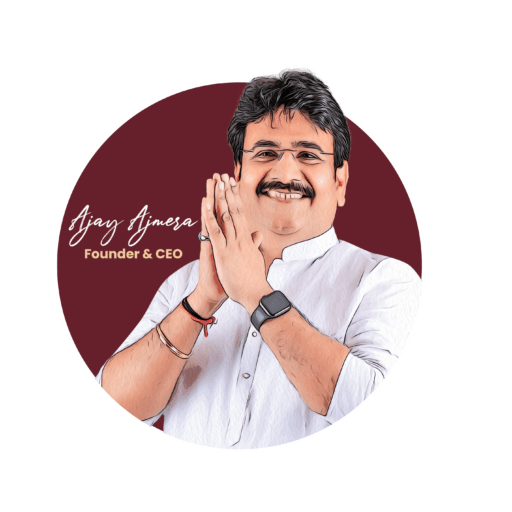

By Ajay Ajmera
India’s textile industry is entering an important phase of transformation. With its rich textile heritage, skilled workforce, diverse fabrics, and expanding international trade opportunities, India has the potential to strengthen its position in global fashion markets. The next stage of growth will depend on how effectively the industry combines traditional expertise with technology, innovation, quality, and modern business practices.
Introduction: India’s Textile Industry and Its Global Opportunity
India’s textile industry is more than a manufacturing sector. It represents generations of craftsmanship, entrepreneurship, employment, and commercial relationships. From traditional silk sarees and embroidered lehengas to contemporary kurtis, gowns, menswear, womenswear, and kidswear, Indian businesses serve customers with diverse tastes and requirements.
For Ajay Ajmera and Ajmera Fashion Limited, the broader opportunity lies in connecting India’s textile strengths with changing market demand. Global buyers increasingly expect dependable sourcing, consistent product quality, competitive pricing, clear communication, and efficient delivery. Businesses that understand these expectations can build stronger relationships with retailers, distributors, wholesalers, and international buyers.
The future of Indian textiles will not depend on production capacity alone. It will also depend on product development, digital capabilities, market knowledge, and the ability to respond quickly to customer needs.
India’s Textile Industry: From Domestic Strength to Global Trade
India has an extensive textile value chain covering natural and man-made fibres, yarn, fabrics, processing, garments, home textiles, and traditional textile products. This diversity allows businesses to participate in different parts of the industry, from sourcing and wholesale trading to manufacturing, retail, and exports.
According to India’s Ministry of Textiles, textile and apparel exports, including handicrafts, reached approximately US$37.75 billion in FY 2024–25, compared with US$35.87 billion in FY 2023–24. These figures demonstrate the international scale of India’s textile trade and the importance of maintaining competitiveness in global markets.
Read the official export figures from the Press Information Bureau and the Ministry of Textiles for further industry information.
For Indian textile businesses, global expansion involves more than finding international customers. It requires understanding the product categories, price points, quality requirements, delivery expectations, and commercial conditions of each target market.
Why Surat Matters to India’s Textile Ambition
Surat is one of India’s prominent textile and garment trading centres. Its business ecosystem includes fabric suppliers, processing units, embroidery businesses, wholesalers, garment traders, and fashion distributors. This concentration of expertise creates opportunities for businesses seeking product variety and established sourcing networks.
The city is particularly associated with man-made fibre fabrics and a wide range of sarees, dress materials, lehengas, kurtis, and other fashion products. Its commercial environment also helps connect smaller enterprises with larger buyers and emerging sales channels.
However, the next stage of growth requires businesses to move beyond price competition. Reliable product information, professional catalogues, quality checks, accurate order processing, and consistent customer service can help Surat-based businesses build a stronger reputation in India and abroad.
How Technology Can Transform the Textile Industry
Technology can improve textile businesses at nearly every stage, from product design and sourcing to order management and international distribution. Digital tools are increasingly important for companies that want to grow efficiently without making their operations unnecessarily complicated.
1. Digital Product Catalogues
Professional digital catalogues allow buyers to explore products, compare designs, review specifications, and request quotations without depending entirely on physical visits. Accurate photographs, fabric details, available sizes, colour options, and clear product codes can make sourcing more convenient.
2. Data-Driven Inventory Management
Inventory systems help businesses understand which products sell consistently, which collections are seasonal, and which items require replenishment. Better visibility can reduce unnecessary stock accumulation and help businesses plan purchases more carefully.
3. E-Commerce and Digital Marketing
Websites, search engine optimisation, social media, and business messaging platforms allow textile companies to reach buyers beyond their immediate geographical markets. A strong digital presence also helps customers understand a company’s products, commercial approach, and contact options before initiating a business discussion.
4. Automation and Quality Control
Appropriate automation can improve production consistency, reduce repetitive manual work, and help identify defects earlier. Depending on the operation, digital inspection systems and production monitoring tools can support better quality management.
Building India’s Global Fashion Identity
India’s textile heritage is a valuable commercial advantage, but international recognition also requires modern branding. Buyers need to understand what makes a product distinctive, how consistently it can be supplied, and whether the business can meet their requirements.
Traditional Indian clothing offers opportunities across different customer segments. Sarees and lehengas serve established ethnic and occasion-wear markets, while kurtis, gowns, contemporary womenswear, menswear, and kidswear create opportunities across everyday and seasonal fashion categories.
To strengthen global visibility, textile businesses should invest in clear product positioning, professional photography, accurate descriptions, reliable communication, and a consistent brand identity. Search-friendly websites and informative content can also help buyers discover relevant products when researching Indian suppliers.
For Ajmera Fashion Limited, the wider business opportunity includes helping connect fashion products with wholesale buyers and entrepreneurs who want to participate in India’s textile and apparel ecosystem.
Wholesale Trading and Entrepreneurship: Expanding Access to Fashion
India’s textile economy depends on businesses of different sizes. Large enterprises may operate extensive production and distribution networks, while smaller entrepreneurs may focus on regional retail, online selling, or supplying selected product categories.
Wholesale trading plays an important role by connecting product suppliers with retailers, boutiques, resellers, and other commercial buyers. A well-managed wholesale business can offer product variety, competitive sourcing, and opportunities to build recurring customer relationships.
Entrepreneurs interested in fashion can explore categories such as sarees, lehengas, kurtis, gowns, menswear, womenswear, and kidswear. Depending on the supplier arrangement, stock requirements, and sales model, some businesses may begin on a relatively small scale and expand as demand becomes more predictable.
Ajmera Fashion Limited offers fashion business opportunities with entry-level investment starting from approximately ₹25,000, subject to the selected products, current commercial terms, and business requirements. Prospective entrepreneurs should confirm product availability, minimum order conditions, payment terms, and applicable delivery costs before making an investment.
What Must India Do to Compete More Effectively Worldwide?
Long-term competitiveness requires coordinated improvements across product development, manufacturing, trading, and distribution. Several priorities deserve attention.
- Consistent quality: Establish clear specifications, inspection procedures, and reliable quality standards.
- Faster product development: Respond to changing consumer preferences with relevant designs and collections.
- Technology adoption: Use digital systems where they improve productivity, traceability, and customer service.
- Sustainable operations: Improve resource efficiency, responsible chemical management, and textile waste handling where relevant.
- Workforce development: Strengthen practical skills in design, production, digital tools, and international trade.
- Export readiness: Understand documentation, destination-market requirements, product specifications, logistics, and payment risks.
- Stronger branding: Build trust through transparent communication, professional presentation, and dependable business practices.
These priorities align with the wider direction of India’s textile development policies, which emphasise manufacturing competitiveness, innovation, skills, infrastructure, and export promotion. Businesses that make steady improvements in these areas will be better positioned to respond to changing global demand.
The Road Ahead: A More Connected Textile Ecosystem
The future of India’s textile industry will be shaped by the relationship between heritage and innovation. Traditional skills can preserve cultural value, while modern technology and organised business practices can improve reach, consistency, and commercial efficiency.
Manufacturers, wholesalers, traders, retailers, designers, and exporters all have a role in this transformation. Stronger cooperation across the value chain can help businesses respond to international buyers, develop better products, and build more resilient commercial relationships.
For entrepreneurs, the opportunity is to identify a clear market, understand customer requirements, source responsibly, and build a business around consistent value rather than short-term trends. For established businesses, the challenge is to continue improving quality, digital visibility, and service as markets evolve.
India’s global textile ambition is therefore not only about selling more products. It is about building trust, creating employment, strengthening business capabilities, and delivering products that meet the expectations of customers around the world.
Conclusion
Ajay Ajmera and Ajmera Fashion Limited are connected to a wider opportunity within India’s textile and fashion economy: helping businesses access products, explore wholesale opportunities, and participate in a changing marketplace. India’s textile strengths provide a strong foundation, but sustainable growth will depend on innovation, product quality, technology adoption, and a clear understanding of global customers.
As the industry continues to evolve, businesses that combine India’s textile heritage with modern commercial practices can work towards stronger domestic and international relationships. The ambition is not simply to participate in global trade, but to build a textile ecosystem recognised for reliability, adaptability, and long-term value.
Frequently Asked Questions
1. Who is Ajay Ajmera?
Ajay Ajmera is associated with Ajmera Fashion Limited and the Indian fashion and textile business ecosystem. For verified biographical information, company milestones, and professional achievements, readers should refer to his official website and published company information.
2. What is Ajmera Fashion Limited?
Ajmera Fashion Limited operates in the fashion and textile business space, with product categories including sarees, lehengas, kurtis, gowns, menswear, womenswear, and kidswear. Interested buyers and entrepreneurs can contact the company to confirm current products and business terms.
3. Why is India important in the global textile industry?
India has a diverse textile value chain, a large domestic market, skilled workers, traditional craftsmanship, and manufacturing capabilities across fibres, fabrics, garments, and home textiles. These strengths create opportunities in both domestic trade and international markets.
4. What is the export value of India’s textile and apparel industry?
According to the Ministry of Textiles, India’s textile and apparel exports, including handicrafts, totalled approximately US$37.75 billion in FY 2024–25. Export figures can change each year, so readers should consult official government releases for the latest available data.
5. Why is Surat important for textile businesses?
Surat is a major textile trading and processing centre known for man-made fibre fabrics, sarees, dress materials, and other fashion products. Its supplier networks provide sourcing opportunities for wholesalers, retailers, boutiques, and garment businesses.
6. How is technology changing India’s textile industry?
Technology supports digital catalogues, inventory planning, automated production, quality inspection, online selling, and customer communication. Businesses can use suitable digital tools to improve efficiency, product visibility, and order management.
7. How can Indian textile companies attract international buyers?
Companies can improve international visibility through professional websites, accurate product catalogues, clear specifications, reliable quotations, quality control, responsive communication, and compliance with destination-market requirements.
8. Can I start a fashion or textile business with ₹25,000?
Some small-scale fashion trading and reselling models may be possible with an initial budget of approximately ₹25,000. The actual amount depends on inventory, product selection, shipping, marketing, and other expenses. Confirm the current business terms before investing.
9. Which fashion products can I sell through a wholesale business?
Popular options include sarees, lehengas, kurtis, gowns, menswear, womenswear, and kidswear. The right product range depends on your target customers, budget, local demand, supplier availability, and pricing strategy.
10. How can I contact Ajmera Fashion Limited?
You can contact Ajmera Fashion Limited at +91 6358863689 to enquire about fashion products and business opportunities. Visit ajayajmera.com for the associated online presence and additional information.
Contact Ajmera Fashion Limited
Interested in exploring textile and fashion business opportunities?
Brand: Ajmera Fashion Limited
Author: Ajay Ajmera
Website: https://ajayajmera.com/
Phone: +91 6358863689
Contact the team to discuss product categories, sourcing requirements, and applicable business terms.